

Harmful Algal Blooms in Otsego County, New York
A one-stop information resource to learn about harmful algal blooms (HABs) and how you can help
Skip to a specific section:
What are Harmful Algal Blooms?
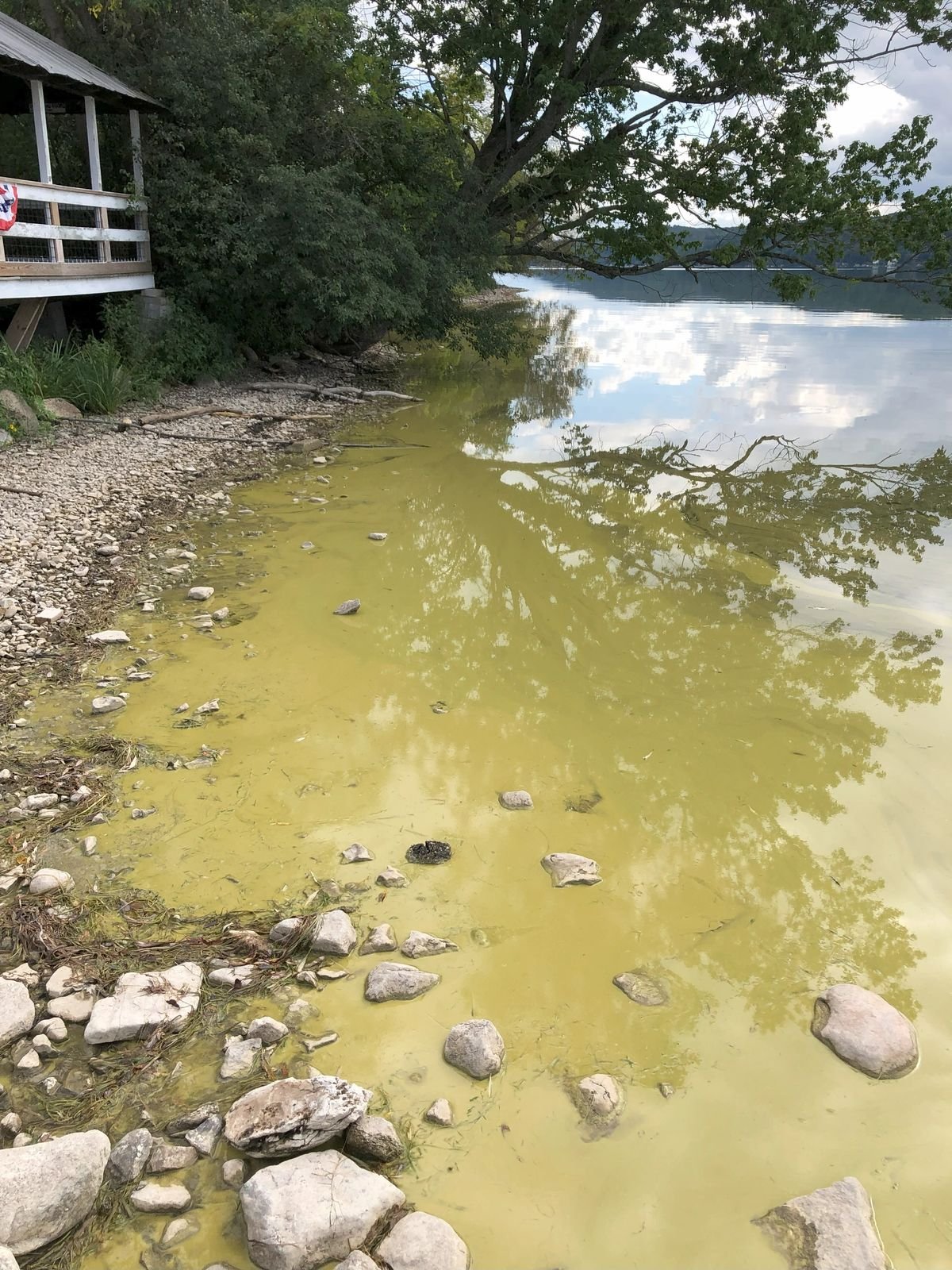
Harmful algal blooms (HABs) are the rapid growth of algae or cyanobacteria that can cause harm to people, animals, or the local ecology. Harmful algae or cyanobacteria can look like foam, scum, paint, or mats on the surface of water. They can also be different colors. These blooms produce toxins that can make people and animals sick. Blooms occur in fresh water, such as lakes and rivers, and salt water, such as oceans or bays (CDC 2021).
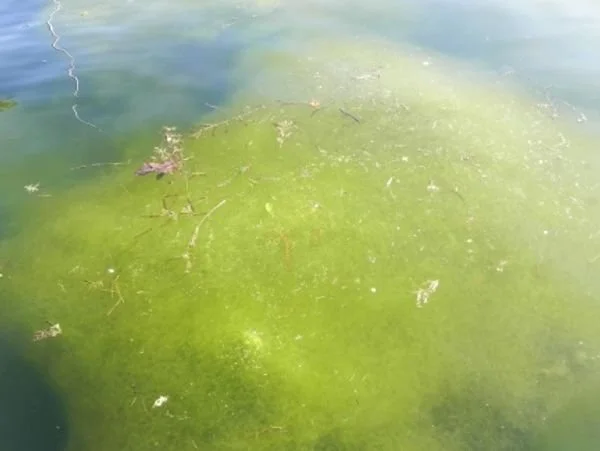
Algae and cyanobacteria are simple organisms that live in the water. Algae and cyanobacteria can rapidly grow out of control, or “bloom,” when water is warm, slow-moving, and full of nutrients. Many types of algae do not produce toxins and not all visible algae is harmful—it’s important to be able to differentiate.
Why do they occur?
Harmful algal blooms (HABs) are triggered by a combination of water and environmental conditions that may include: excess nutrients (phosphorus and nitrogen), lots of sunlight, low-water or low-flow conditions, calm water, and warm temperatures. Depending on the weather and the characteristics of the lake, HABs may be short-lived (appearing and disappearing in hours) or long-lived (persisting for several weeks or more) (DEC).
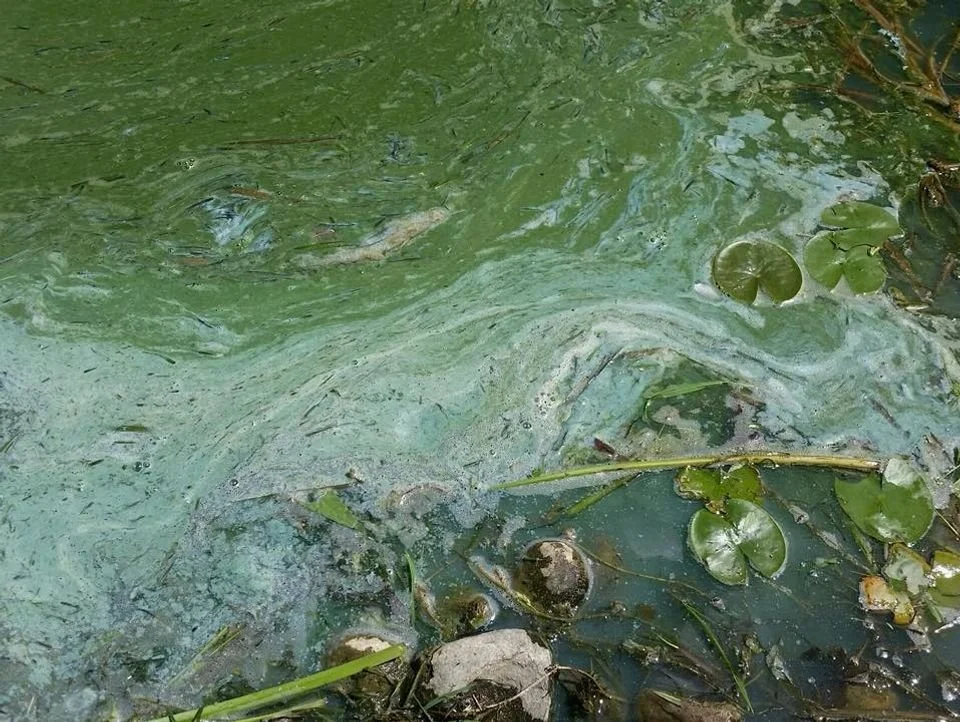
What Harmful Algal Blooms Can Look Like:
-
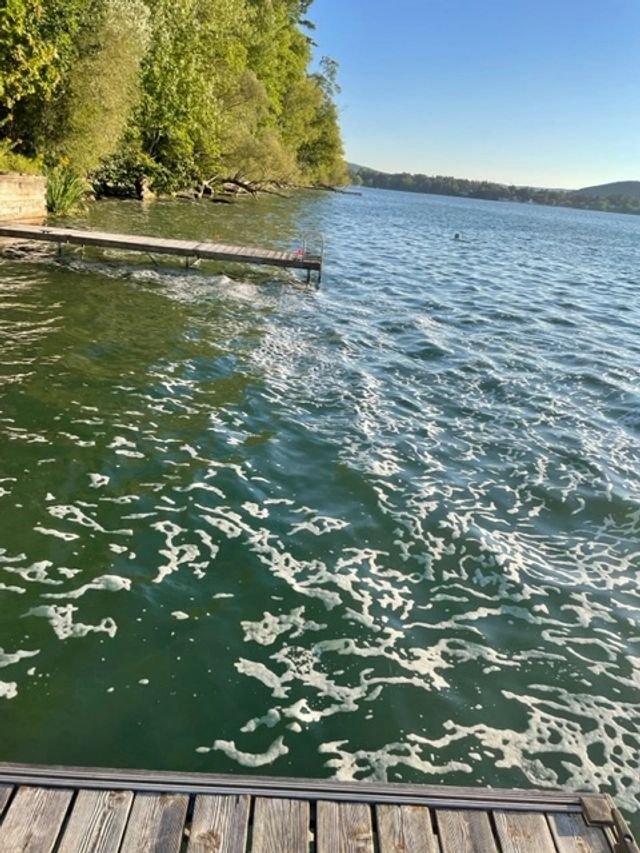
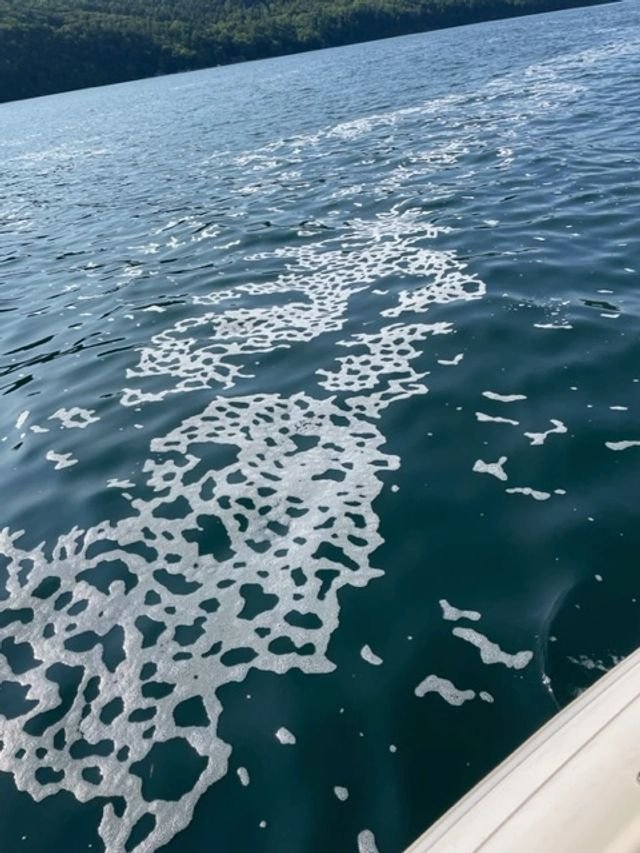
On Otsego Lake, microcystis colonies often resemble lines of foam.
Credit: Doug Willies 2023
-
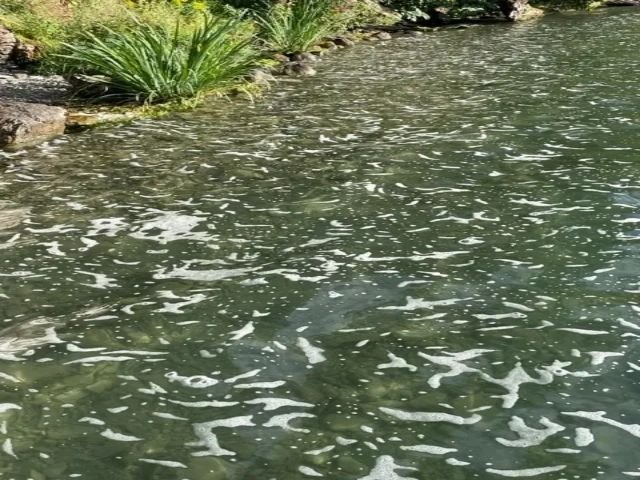
Foam containing microcystin on Otsego Lake.
Credit: Doug Willies 2023
-
Foam containing microcystin on Otsego Lake.
Credit: Doug Willies 2023
-
Microcystin foam along Otsego Lake shoreline.
Credit: Doug Willies 2023
-
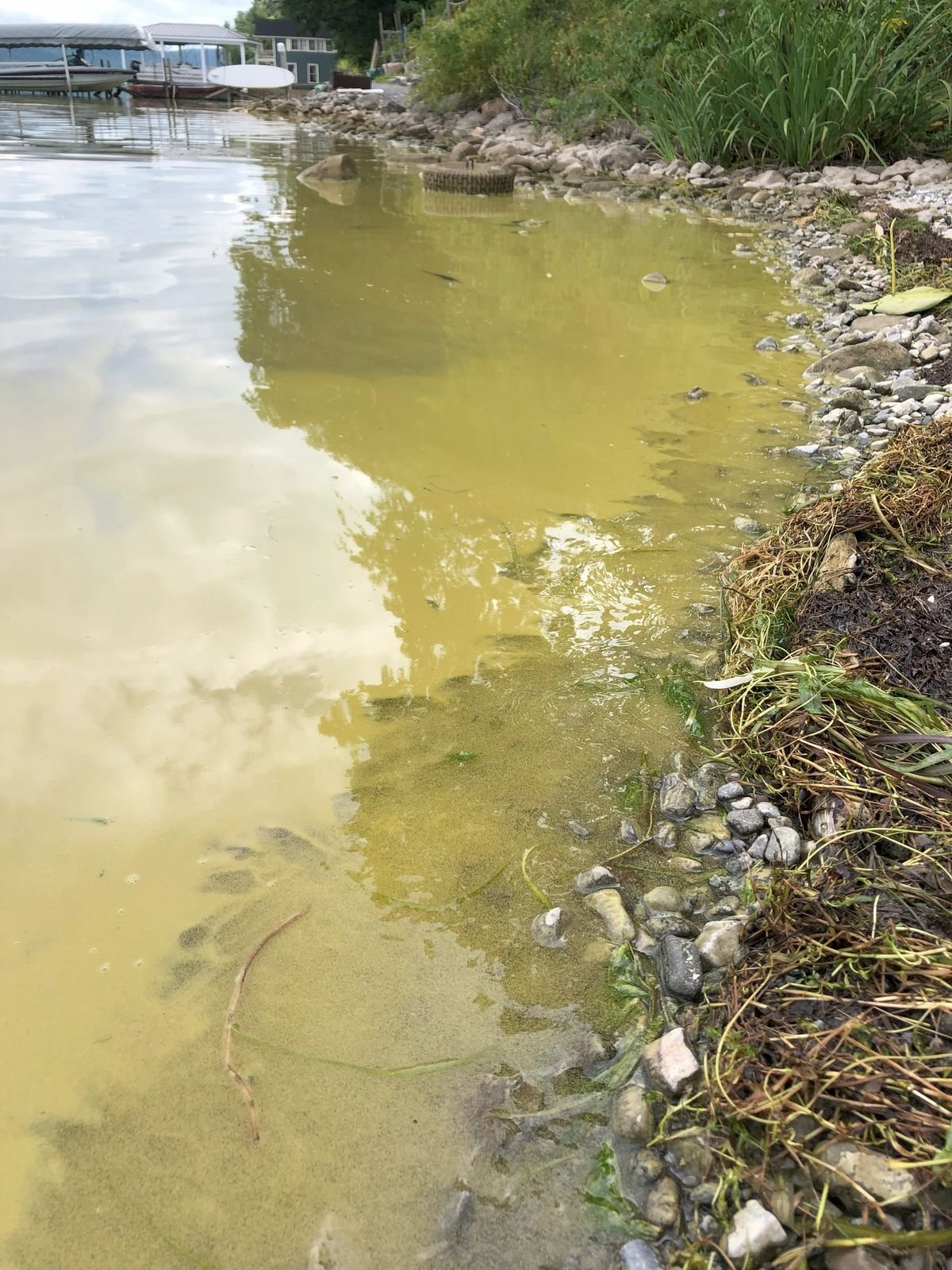
Bloom Conditions at Springfield Landing, September 2022
Credit: Holly Waterfield
-
Bloom Conditions at Biological Field Station Thayer Boathouse, September 2022
Credit: Holly Waterfield
-
Bloom Conditions at Thayer Boathouse South, September 2022
Credit: Holly Waterfield
-
Microcystis (harmful algal bloom causing cyanobacteria) surface accumulation
Credit: Holly Waterfield
-
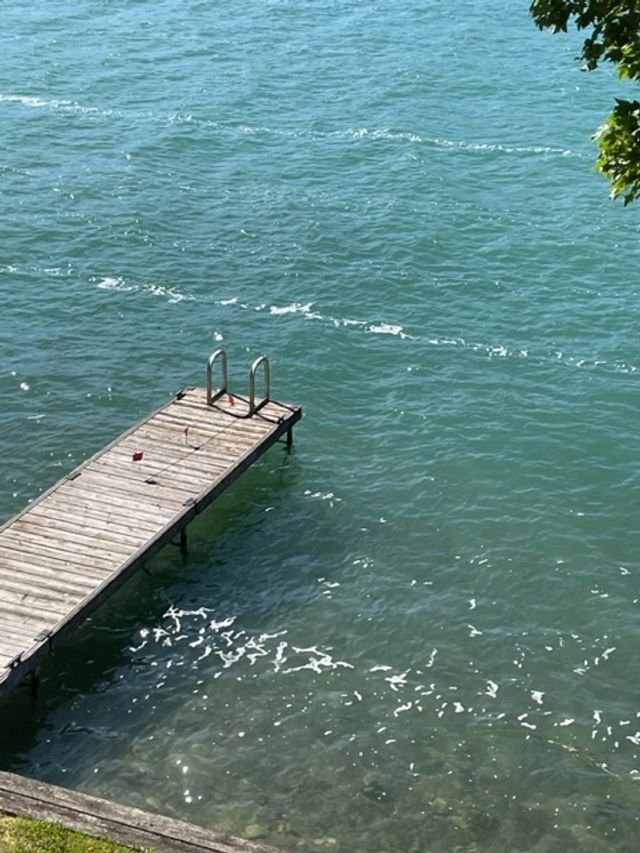
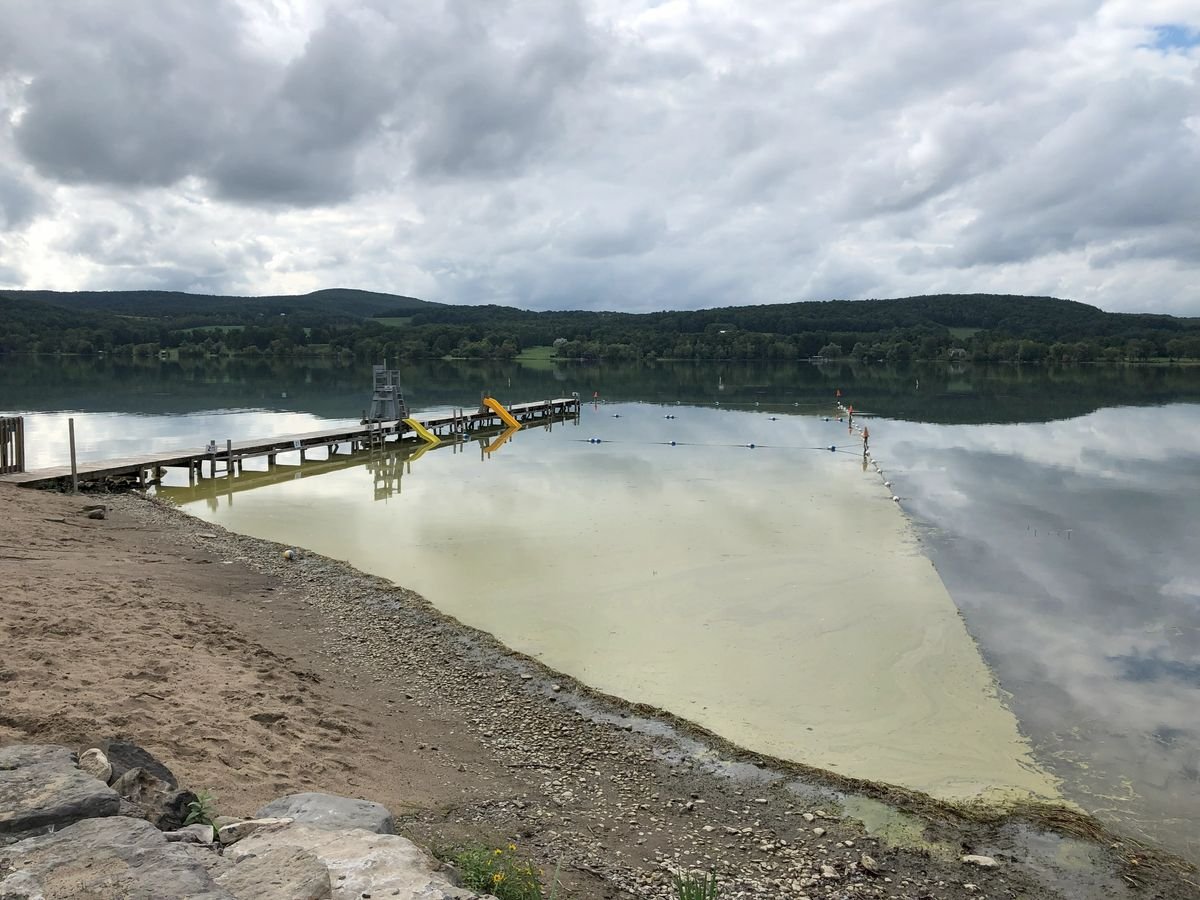
Springfield Landing swim area, September 2022
Credit: Holly Waterfield
-
Springfield Landing looking south, September 2022
Credit: Holly Waterfield
-
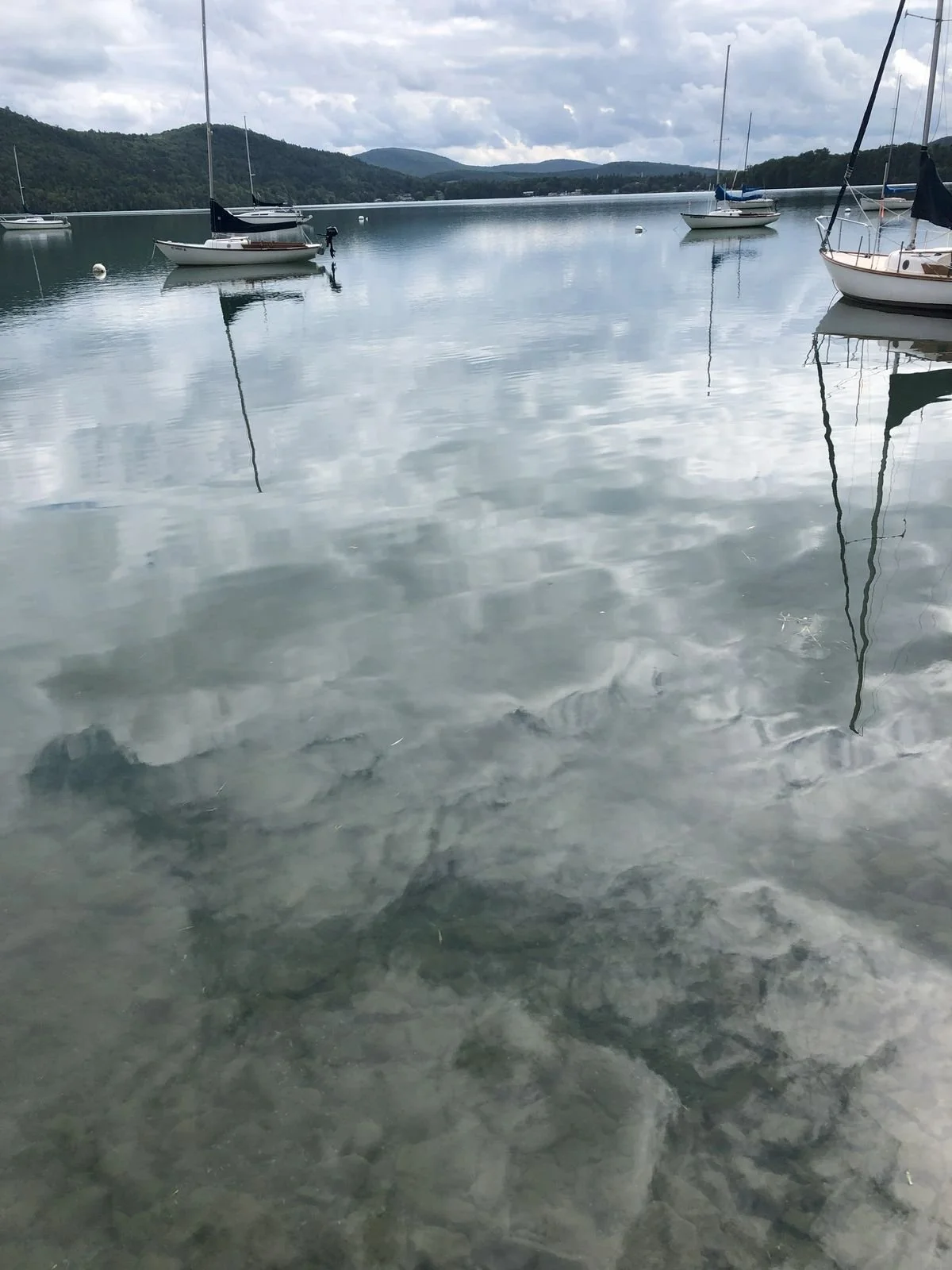
Otsego Sailing Club looking south, September 2022
Credit: Holly Waterfield
-
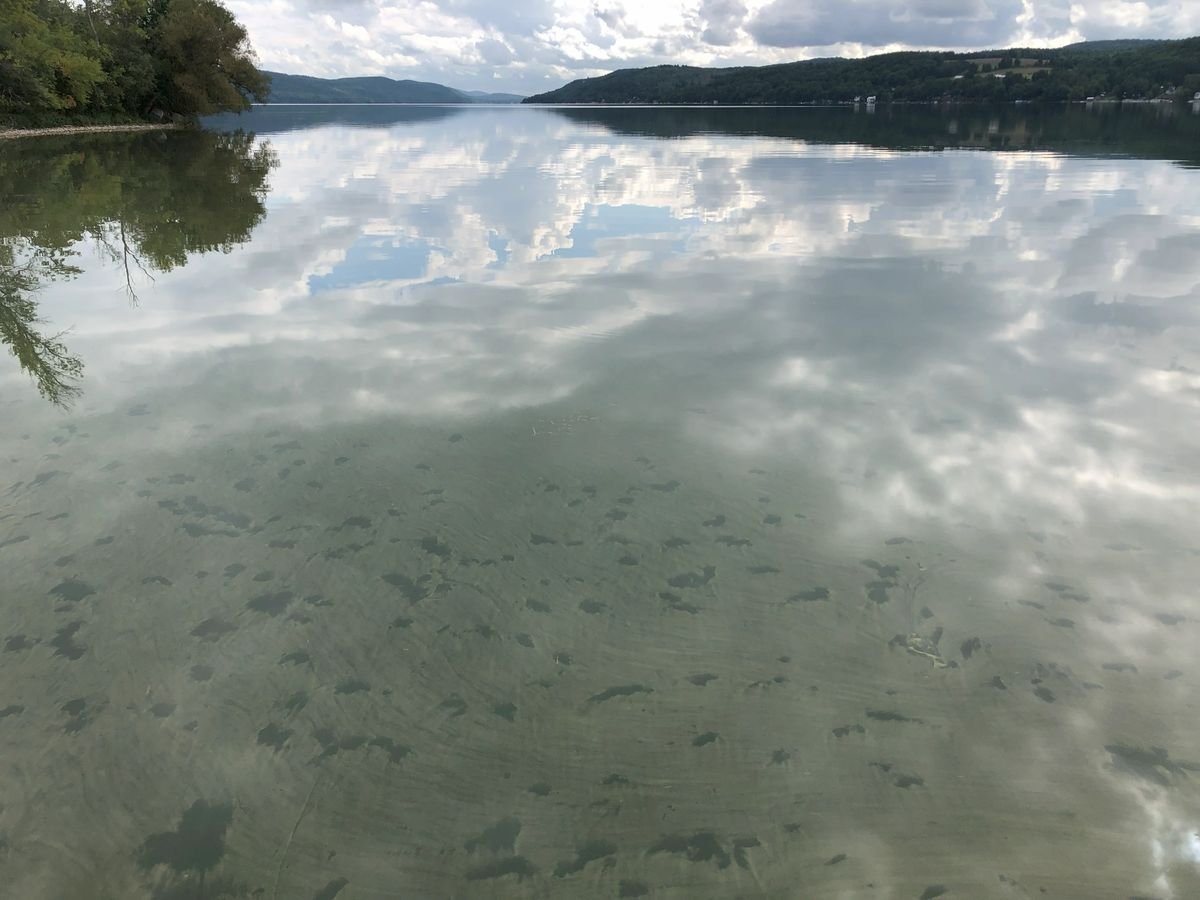
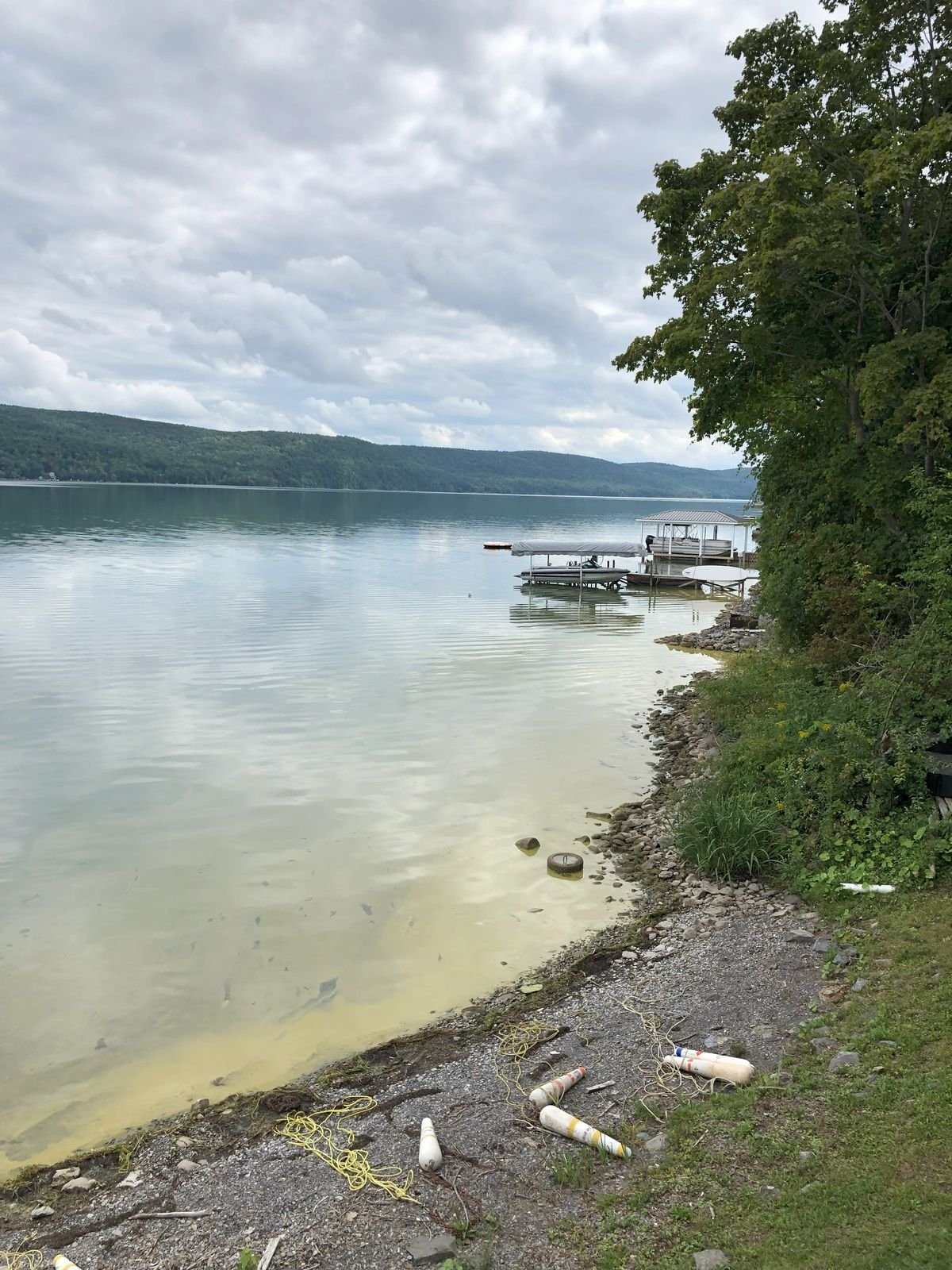
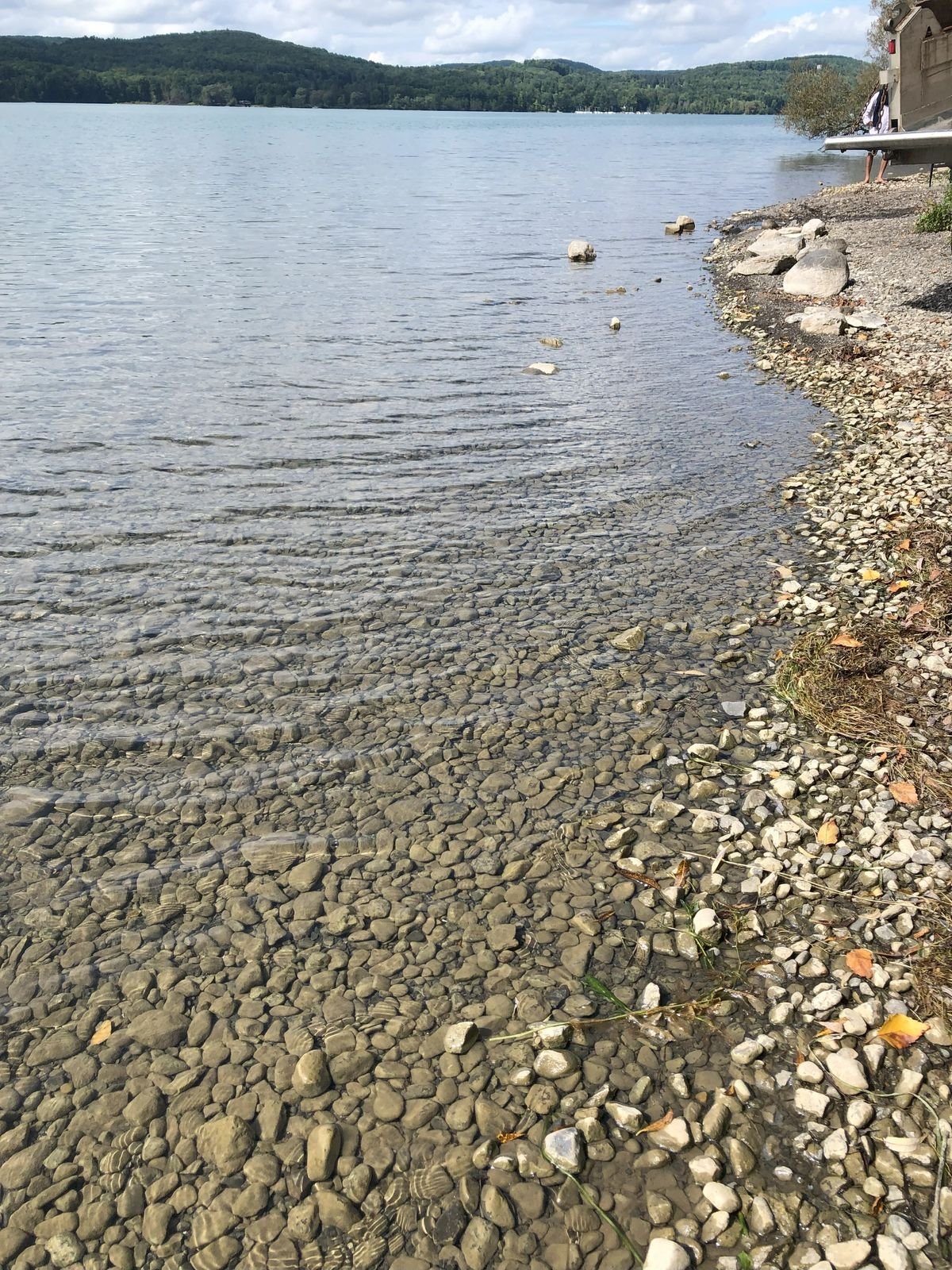
Even in relatively clear conditions, microcystin can be present. Fairy Springs looking south, September 2022.
Credit: Holly Waterfield
-
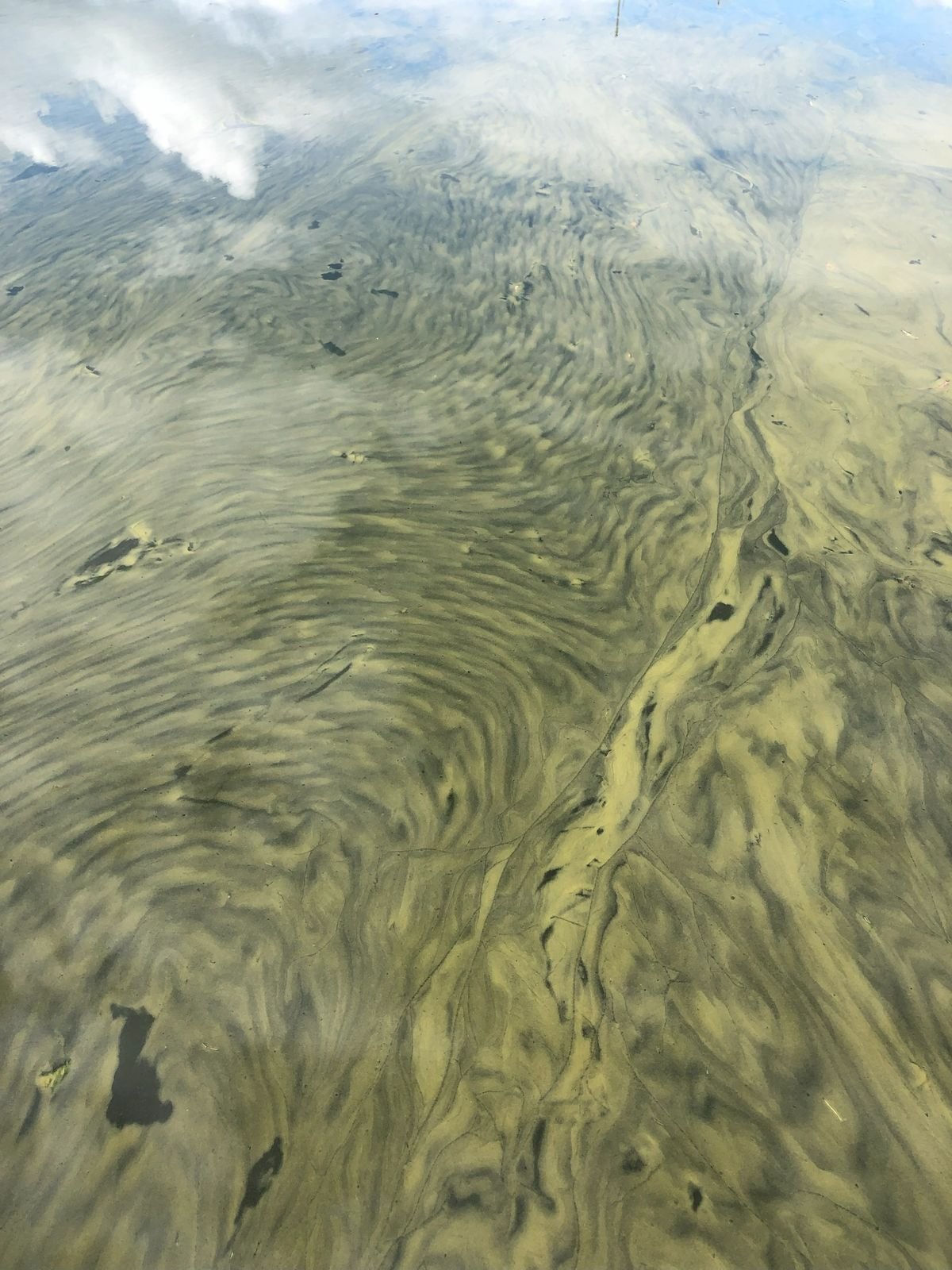
Streaky formations can form in relatively clear water. Swimming area at Three Mile Point, August 2022.
Credit: Holly Waterfield
-
Grainy formation on Canadarago Lake, August 2022
Credit: Matthew Dombrowski
-
Clumpy formation on Canadarago Lake, August 2022
Credit: Matthew Dombrowski
-
Streaky, paintlike formation on Canadarago Lake, August 2018
Credit: Matthew Dombrowski
-
Streaky, paintlike formation near dock on Canadarago Lake, July 2021
Credit: Matthew Dombrowski
-
Streaky, paintlike formation on Canadarago Lake, August 2018
Credit: Matthew Dombrowski
-
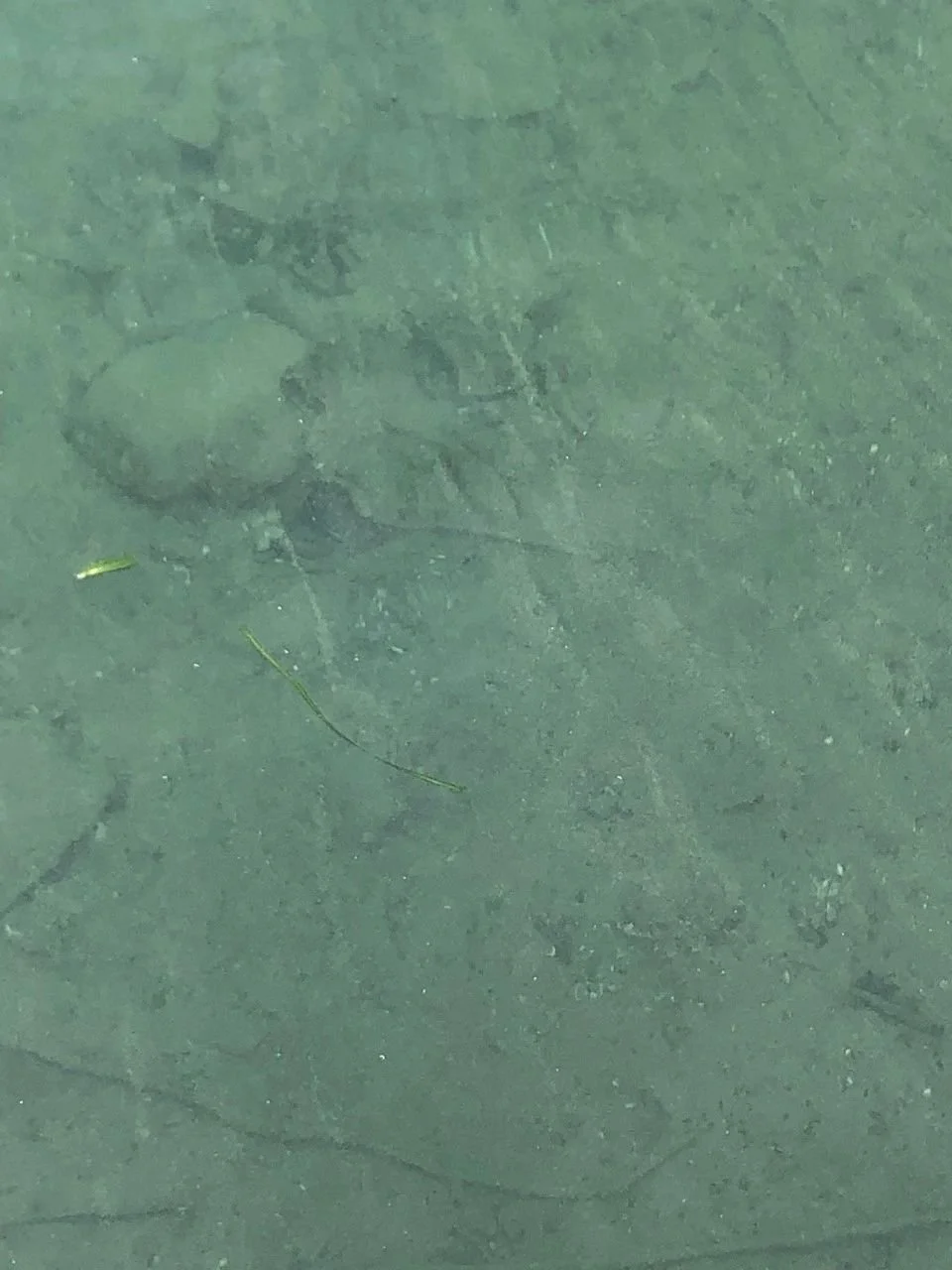
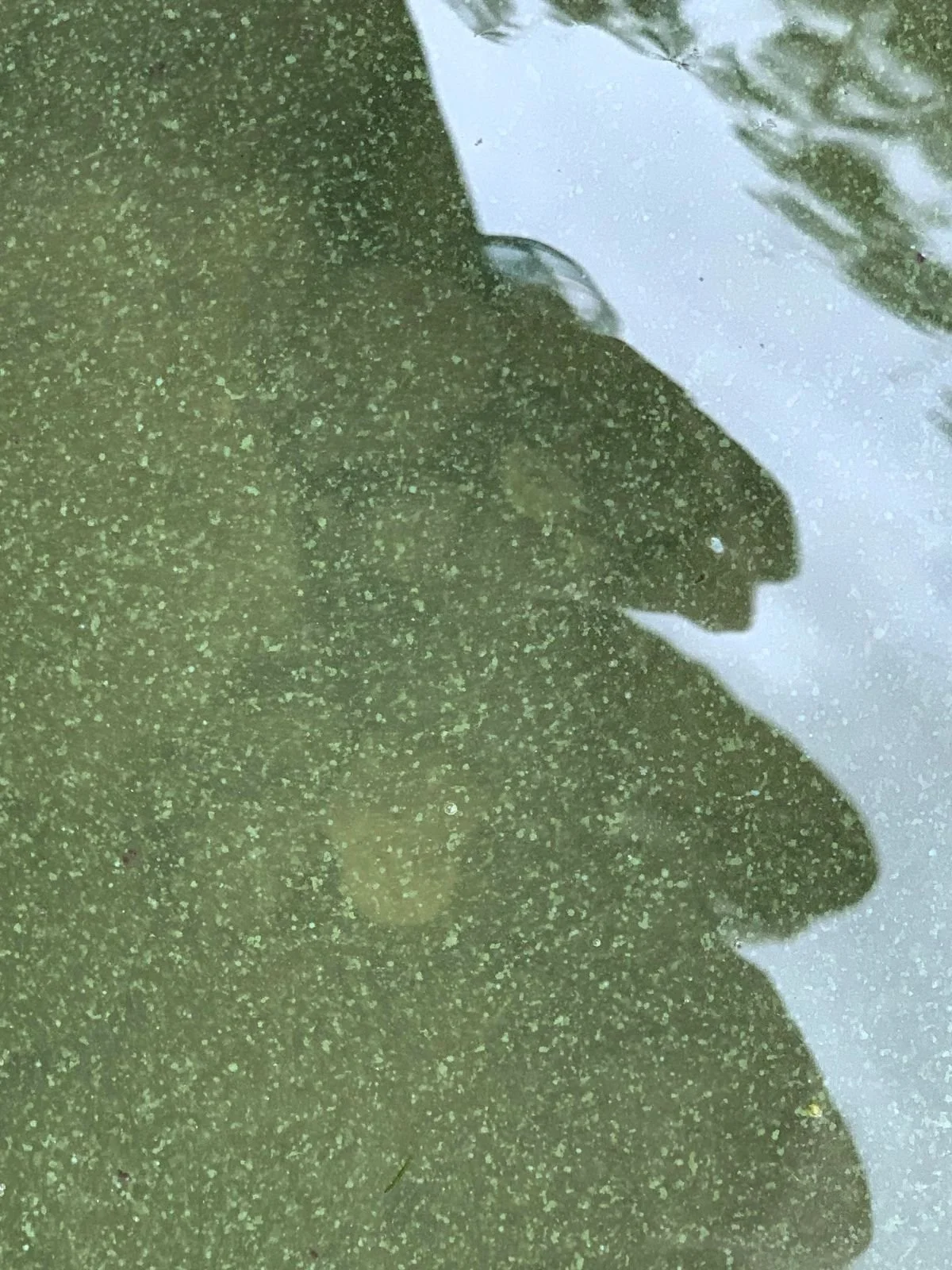
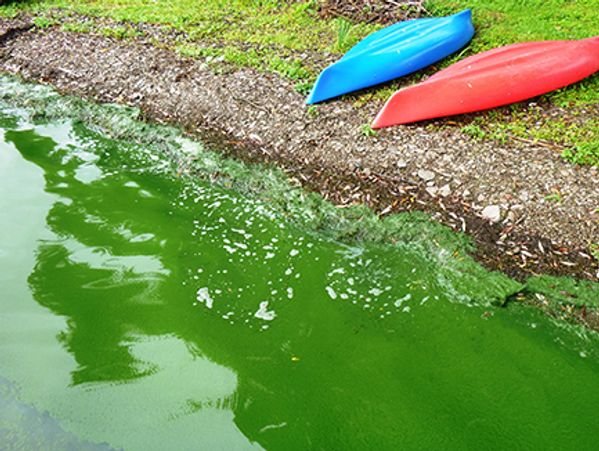
HABs may make the water look bright green or like pea soup.Location not known.
Credit: NYDEC
-
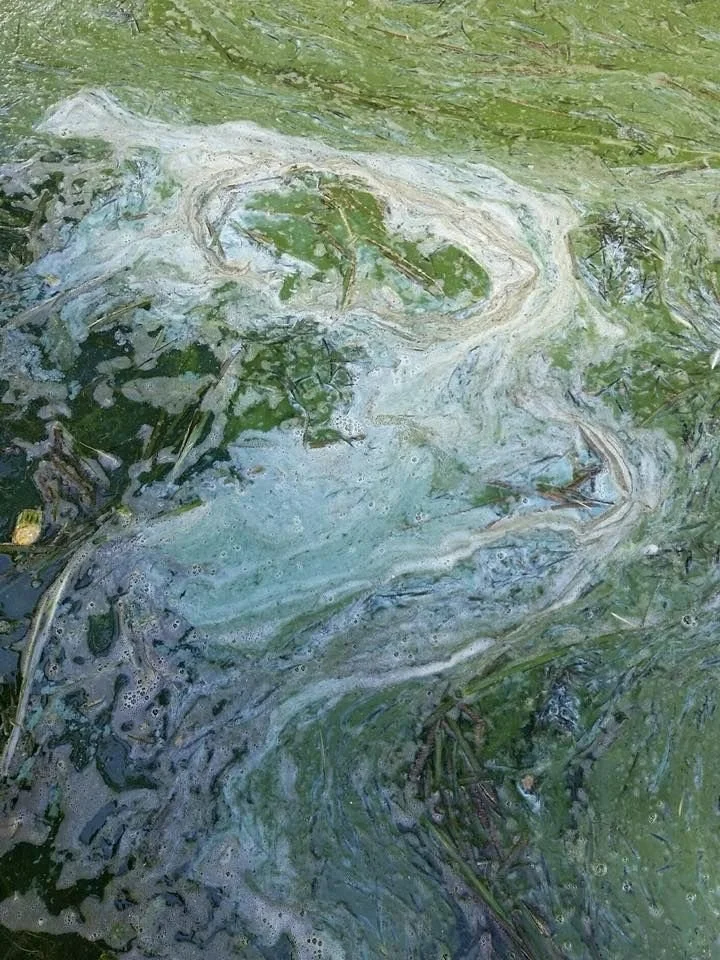
HABs may look like blue, green, or white spilled paint on the water surface. Location not known.
Credit: NYDEC
-
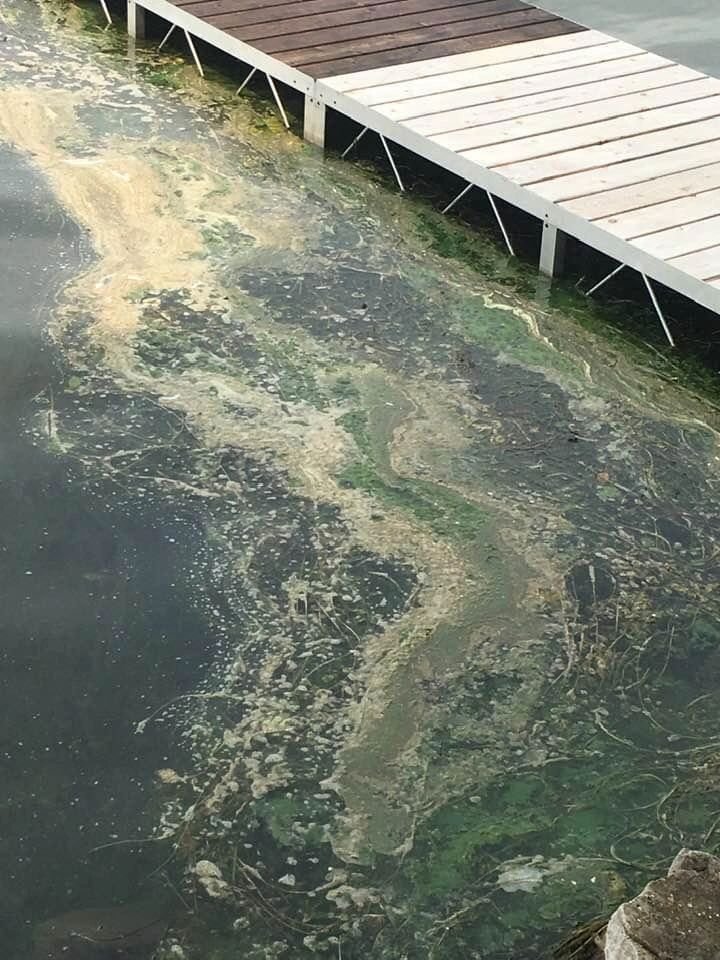
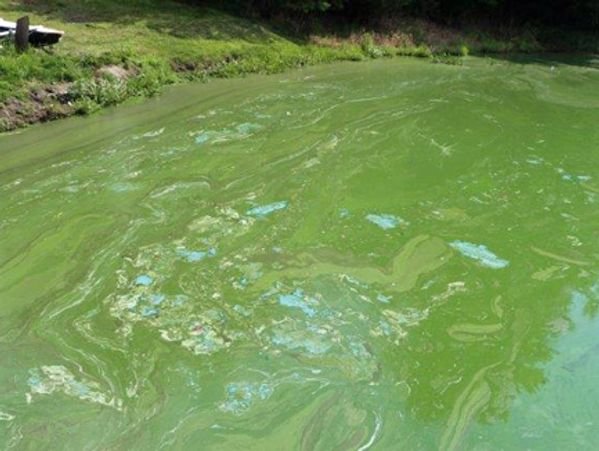
HABs may look like parallel streaks, usually green, on the water surface. Location not known.
Credit: NYDEC
-
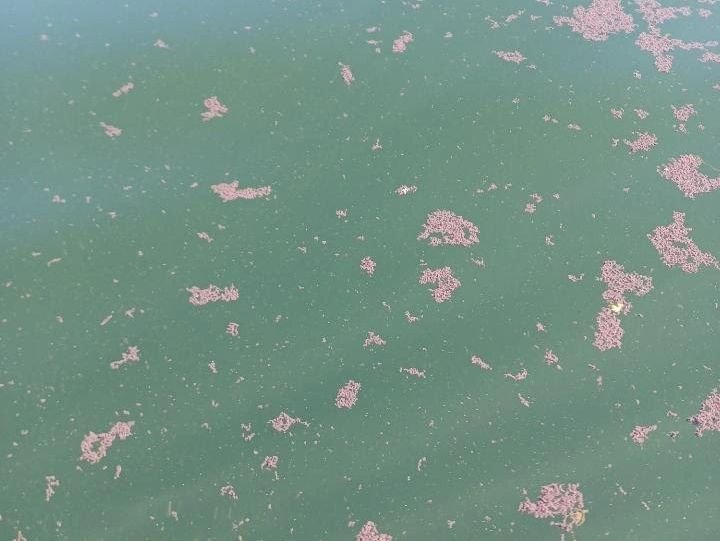
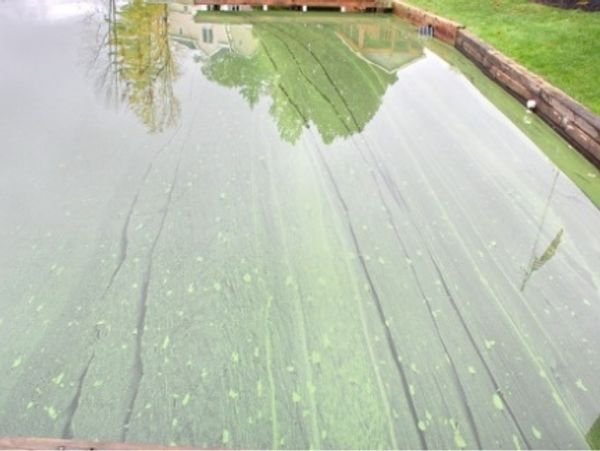
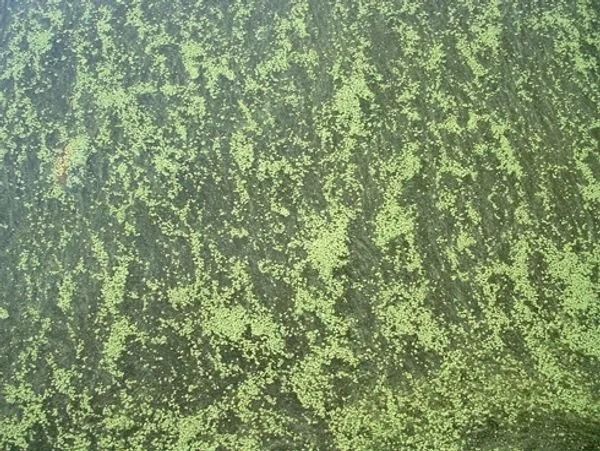
HABs may look like green dots, clumps or globs on the water surface. Location not known.
Credit: NYDEC
Nontoxic lookalikes to HABS:
-
Green algae can look silky, hairy or like wet fabric on the rocks, plants or water surface, but do not produce harmful toxins.
Credit: NYDEC
-
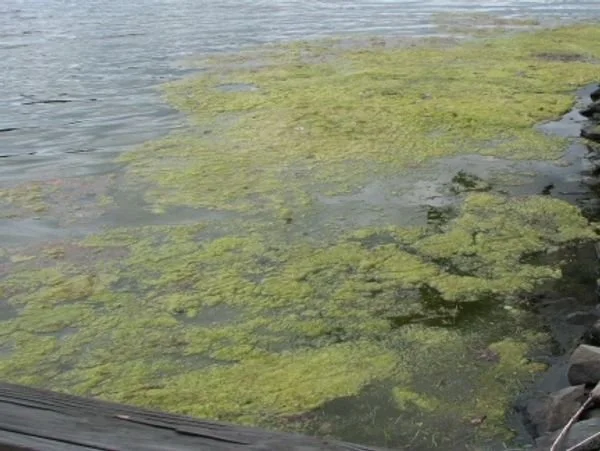
Green algae can look like bubbling scum on the water and may be entangled with other plant material, but do not produce harmful toxins.
Credit: NYDEC
-
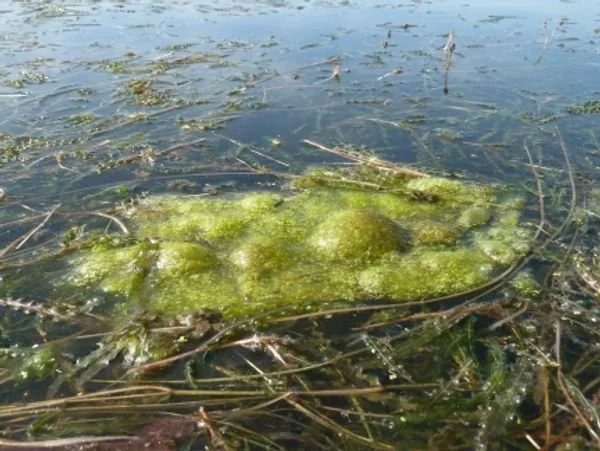
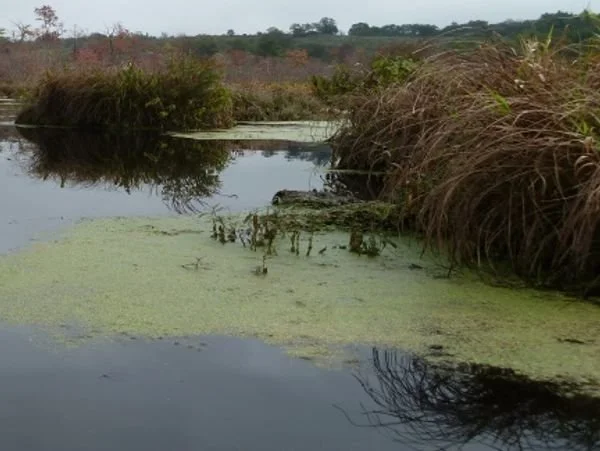
Green algae can look like floating rafts on the water, but do not produce harmful toxins.
Credit: NYDEC
-
Green algae can look stringy or hairy or like a tumbleweed in the water or on the lake bottom, but do not produce harmful toxins.
Credit: NYDEC
-
Green algae can form thick mats on the water surface but do not produce harmful toxins.
Credit: NYDEC
-
![]()
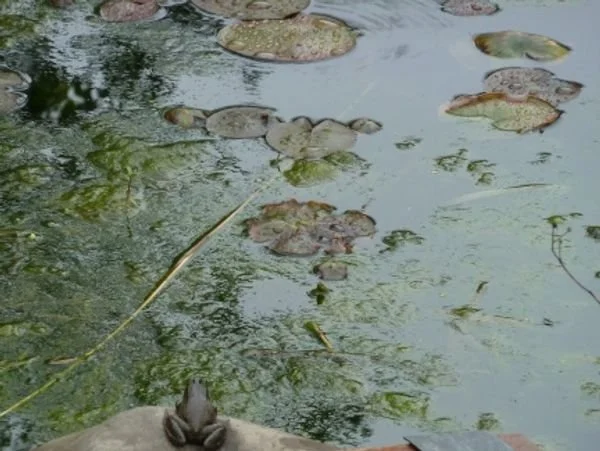
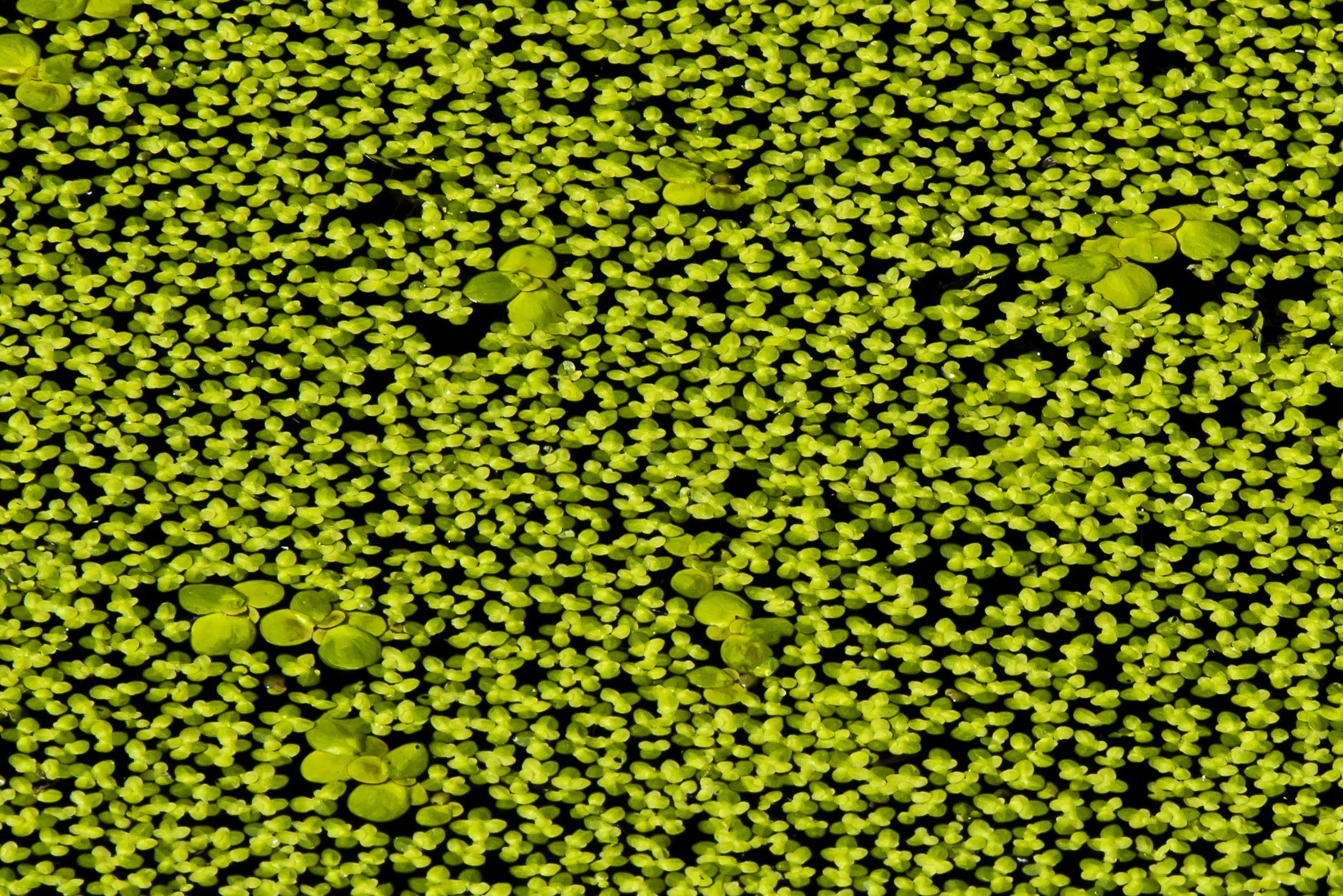
Duckweed (Lemna spp.), is a nonhazardous type of floating plant that creates a mat on the surface of the water
Credit: Upsplash
We’ve seen HABs under these conditions:
Warmer months: HABs are most likely to occur summer to fall, when water temperatures are warmer.
Influx of Nutrients: we see increased blooms when nutrients such as phosphorus and nitrogen increase in water.
How do these nutrients get in our water?
Fertilizer (ex. home lawns, agriculture)
Sewage from people and animals
Run-off from cities and industrial buildings
Rapid changes: blooms can occur quickly and water bodies can go from safe to dangerous day-to-day or even hour-to-hour.
Decreased water flow: HABs can appear when water flow is low and moves slowly, such as during a drought.
Water Conditions: For example, when pH or turbidity (how much “stuff” is floating in the water) change. When turbidity is low, light can shine through the water easily. This helps phytoplankton grow.
Changes in Ecology: Ecology is how organisms interact with the environment and with each other.
Source: Centers for Disease Control
Health Effects of Harmful Algal Blooms on People and Animals
People and pets can be exposed to toxins from harmful algal blooms by skin contact, drinking water, breathing in tiny droplets in the air, or eating fish/shellfish that contain toxins (CDC 2021). Knowing the signs of harmful algal blooms and symptoms that may appear after exposure can help keep you and your family safe.
People, pets and livestock should avoid contact with any floating mats, scums, or discolored water. Never drink, prepare food, cook, or make ice with untreated surface water, whether or not algae blooms are present. In addition to toxins, untreated surface water may contain bacteria, parasites, or viruses that could cause illness if consumed. People not on public water supplies should not drink surface water during an algal bloom, even if it is treated, because in-home treatments such as boiling, disinfecting water with chlorine or ultraviolet (UV), and water filtration units do not protect people from HABs toxins (DEC).
Effects on humans
Symptoms from drinking contaminated water include stomach pain, headache, neurological symptoms (for example, muscle weakness, dizziness), vomiting, diarrhea, and liver damage.
Touching or swimming in contaminated water may cause irritation of the skin, eyes, nose, throat, and lungs.
If you suspect an exposure, talk to your healthcare provider or contact a poison control center for advice about how to relieve your symptoms. Let them know that you might have recently come in contact with cyanobacteria or its toxins. Information about the suspected cause of your illness might help your healthcare provider manage your symptoms. Report suspected exposures to NYS Department of Health.
Call 1-800-222-1222

Effects on Pets
Dogs are especially at risk of poisoning by swimming in contaminated waters, drinking contaminated water, eating dead fish and other animals found near a bloom, and licking algae or scum from their fur after swimming.
Symptoms of exposure in dogs
Stumbling, seizures, convulsions, paralysis
Excessive salivation or drooling
Disorientation, inactivity or depression
Elevated heart rate, and difficulty breathing
If you see or suspect any of these symptoms, particularly within 30 minutes to a few hours after exposure to an algal bloom, seek immediate veterinarian care.
How to protect your pets
If possible, keep your dog on a leash near shorelines. Don’t let dogs wade, drink the water or eat/walk in beach debris. If your dog goes in the water please remove them immediately. Don’t let them lick their fur or paws after getting out of the water. Rinse/wash them thoroughly with fresh water from a safe source if available.
Reporting HABs
Shoreline Monitoring Volunteer Program
Those who live on or frequent Otsego Lake and Canadarago Lake are encouraged to conduct weekly survey for HABs and report their findings on an easy-to-use survey. This can be done on a phone, and takes as little as 20 minutes, but it makes a big difference in the health of our beloved lakes.
Click Here to join as a shoreline monitor for Otsego Lake (mid-July through October)
Click Here to join as a shoreline monitor for Canadarago Lake (June through October)
DEC Reporting Form
If you suspect that you have seen a HAB, please report it to DEC. Fill out and submit a Suspicious Algal Bloom Report Form. If possible, attach digital photos (close-up and landscape to show extent and location) of the suspected HAB in the web form.
Email HABsInfo@dec.ny.gov if you are not able to complete the form.
Resources
Frequently Asked Questions:
-
Do not fish, swim, boat, or play water sports in areas where there are harmful algae or cyanobacteria. If you are notified that harmful algae or cyanobacteria are in a nearby body of water or in your drinking water supply, follow local or state guidance to reduce your chances of getting sick (CDC 2023).
-
Harmful algal blooms should be reported to DEC via the Suspicious Algal Bloom Report Form. If possible, attach digital photos (close-up and landscape to show extent and location) of the suspected HAB in the web form. Email HABsInfo@dec.ny.gov if you are not able to complete the form.
-
If you are showing symptoms of exposure, talk to your healthcare provider or contact a poison control center for advice about how to relieve your symptoms. Let them know that you might have recently come in contact with cyanobacteria or its toxins. Information about the suspected cause of your illness might help your healthcare provider manage your symptoms. Report suspected exposures to NYS Department of Health
-
Don’t let them lick their fur or paws after getting out of the water. Rinse/wash them thoroughly with fresh water from a safe source if available while wearing gloves to protect yourself. Symptoms can begin within 30 minutes so it's very important to get your pet to a veterinarian right away.
-
Higher frequencies of HABs are often associated with one or more of the following: 1) higher water temperatures due to climate change, 2) higher levels of nutrients in the water due to human activities, and 3) changes in nutrient cycling within lakes – including altered food webs due to invasive species. Researchers around the world are trying to understand the interaction among these major drivers and others.
-
Yes, cyanobacteria in the “primordial soup” in the very early stage of the earth after the Big Bang is the origin of oxygen in the atmosphere. All algae and plants today are descendants of cyanobacteria.
-
Most freshwater algae (not cyanobacteria) in northern temperate zones do not do well at 75-77 deg F/24-25 deg C (but not entirely killed or anything like that – they can persist in the lower, cooler water column especially when water transparency is high, as there is still enough light for them). So the higher temperatures gives a competitive edge to cyanobacteria
-
The first part (“cyanobacteria are naturally present within a waterbody’s phytoplankton community”) is correct. A “bloom” of algae is not necessarily bad – e.g., we sometimes refer to an early spring boom of nutritious diatoms in the water as a bloom (which feeds zooplankton and small fish to have a healthy start for the year). Harmful algal/cyanobacterial blooms occur when one type of alga or cyanobacterium dominates a bloom to the extent that it is considered harmful. A general increase in phytoplankton density in warmer months (i.e., greener water or higher chlorophyll aconcentrations) is not considered a bloom per se.
-
Cyanotoxins are NOT always present in water column, and NOT all cyanobacteria contain toxins. Many lake samples with a lot of cyanobacterial cells do not have any detectable amounts of cyanotoxins. Cyanotoxin production requires extra nitrogen in addition to that required for regular growth and reproduction. Many cyanobacteria do not even have the gene to make cyanotoxins. Even those that have toxin-producing genes do not always express the genes (i.e., the gene is not turned on). This is why NYSDEC’s policy is to make people avoid contact with cyanobacterial blooms regardless of toxin production status. The same bloom may not be producing toxins today, but if they have the gene for toxin production, and if it is turned on for some reason overnight, the same bloom may become toxic tomorrow.
-
No (for the reasons above). Cyanotoxins are technically toxins (chemicals made by cyanobacterial cells) and not pathogens (disease-causing organisms such as bacteria, fungi, viruses, and parasites) – the latter enter and reproduce within the animal body and then cause illnesses.
-
New York State (NYS) and many other states as well as the general limnological research community define it as an overabundance of a particular type of alga or cyanobacterium that causes problems, which are not limited to toxin production and can include odors and dissolved oxygen depletion from the decomposing algal/cyanobacterial biomass that can lead to the death of fish and other aquatic animals.
-
Standard municipal drinking water treatment systems are designed to remove the microcystins at concentrations observed at Otsego Lake. Cyanobacterial HABs interfering with drinking water treatment is a problem when the water is pea-soup green with cyanobacteria. This does not apply to the current blooms at Otsego Lake. The problem here is that the blooms in Otsego Lake have been accompanied, at times, by unexpectedly high microcystins (types of cyanotoxin that the test performed at BFS can detect) concentrations despite the relatively diffuse appearance of the blooms. The highest microcystin concentrations reported by BFS as surface accumulations (scums) so far were around 50-60 micrograms per liter. The infamous HAB event in Toledo, OH, that led to the shut-off of the municipal water system, was estimated to have contained up to 4500 micrograms per liter in the raw water that actually entered the intake pipe. An extremely high concentration of cyanobacterial cells in raw water, even without cyanotoxin production, can be problematic if it overcomes the particle removal capacity of a water treatment plant. For example, some non-toxic compounds from cyanobacterial cells can impart moldy flavor in the finished water or react with chlorine and produce carcinogens
This resource was created for residents and visitors of Otsego County to learn about harmful algal blooms, their risks, and the research and mitigation efforts happening in our county. Representatives from 15+ local agencies, municipalities, and organizations came together in May 2023 to better coordinate our efforts in addressing harmful algal blooms. Our partners in creating this resource include but are not limited to: Otsego County, Otsego County Conservation Association, Otsego Lake Association, Suny Oneonta Biological Field Station, and the Canadarago Lake Improvement Association.